
CompTIA Security+ ce Certification
CompTIA
Expires October 21, 2029
View credential ↗I combine cybersecurity analysis, human-centered UX design, and applied AI to build clearer, safer digital experiences. My projects use generative AI, rapid prototyping, and workflow automation, supported by human review and technical validation.
About Me
I focus on human-centered cybersecurity: building systems, workflows, and security communication that people can actually understand, trust, and use under pressure.
My work connects cybersecurity analysis, secure UX thinking, AI-assisted documentation, and product-minded security projects. I care about reducing alert fatigue, preventing unsafe workarounds, and translating technical risk into clear decisions for users, teams, and organizations.
Professional memberships: ISC2 Tampa Bay Chapter and OWASP.
Credentials & Continuing Learning
My eight public badges span cybersecurity, UX design, applied AI, and professional development. Explore each credential and its issuing organization.
CompTIA
Expires October 21, 2029
View credential ↗
Coursera
Issued May 26, 2026
View credential ↗
Coursera
Issued May 26, 2026
View credential ↗
Coursera
Issued May 24, 2026
View credential ↗
Coursera
Issued May 24, 2026
View credential ↗
Coursera
Issued January 8, 2025
View credential ↗
D’Aniello Institute for Veterans and Military Families
Issued February 23, 2026
View credential ↗
SANS Foundations
Issued October 8, 2025
View credential ↗Cybersecurity Aptitude
My CyberGEN.IQ cognitive profile identifies Design & Development as my strongest cybersecurity quadrant, alongside strengths in Offensive Operations and Analysis & Forensics.
Download full report (PDF, 5.3 MB) ↓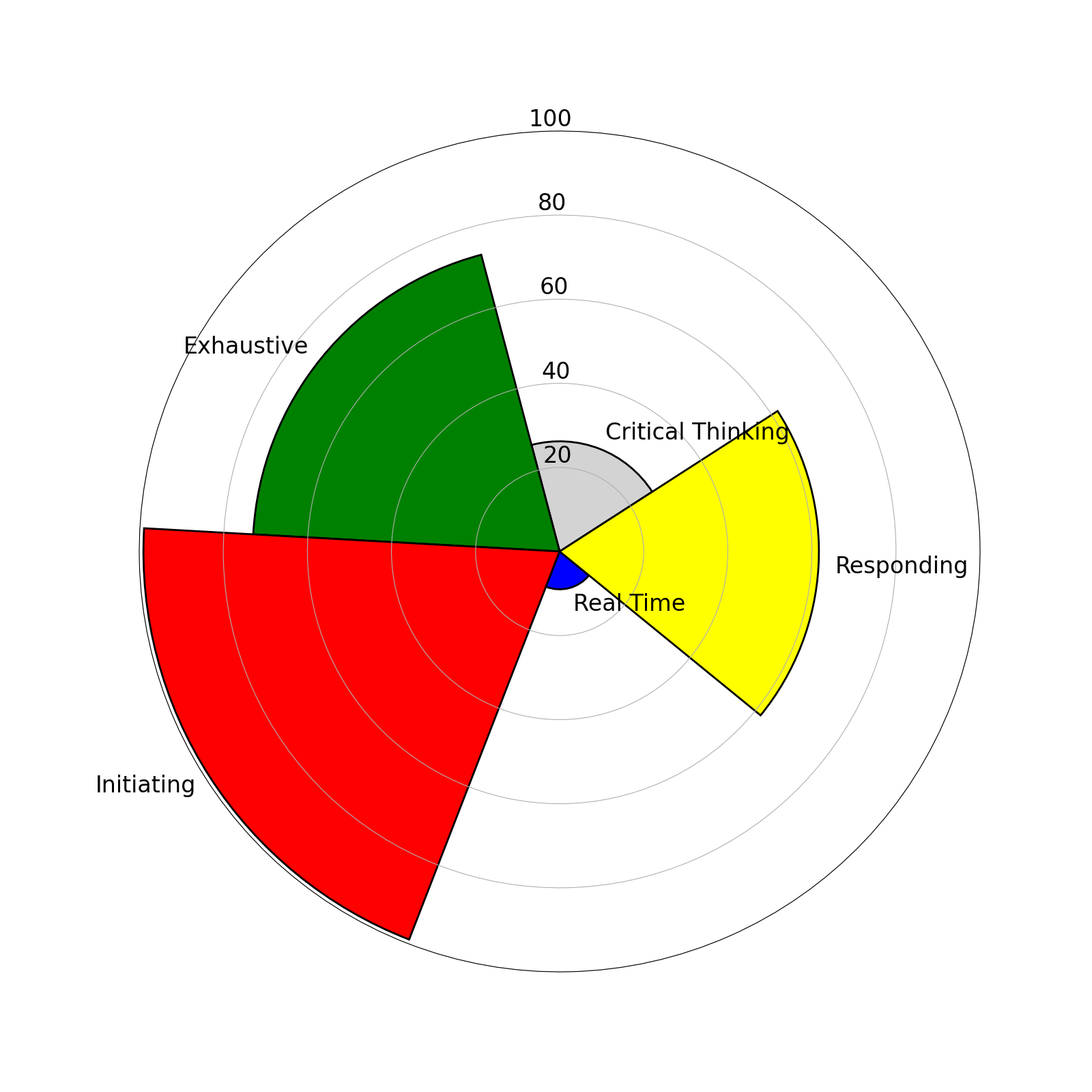
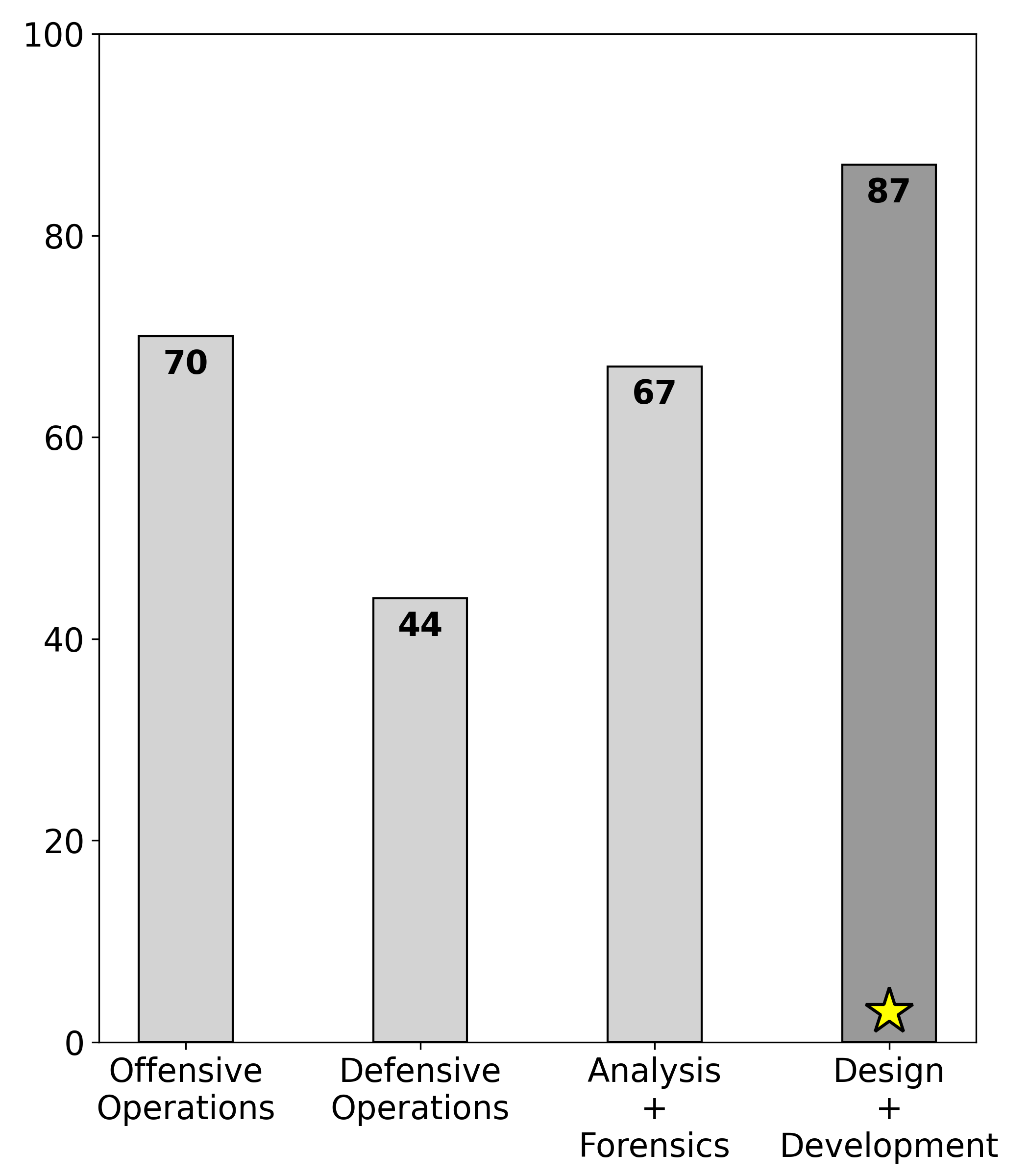
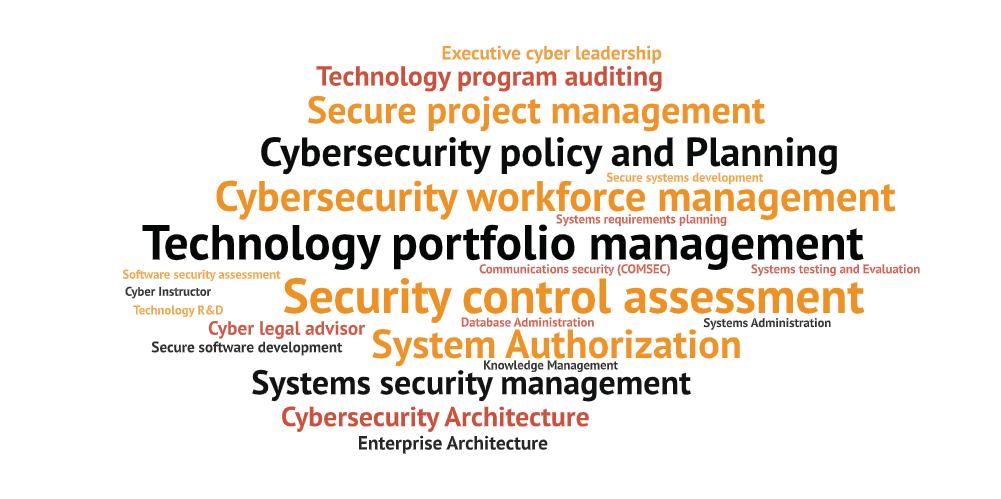
These assessment results describe cognitive styles and role alignment, not overall ability or a certification. Original charts from my CyberGEN.IQ report by Haystack Solutions.
How I Use AI
I apply generative AI to support cybersecurity research, human-centered UX design, rapid prototyping, and technical documentation. Through independent projects and security labs, I explore AI-assisted workflows for security analysis, workflow automation, and accessible learning experiences.
My process combines prompt engineering, research synthesis, and iterative testing with human review. I validate AI-generated outputs against project requirements and technical evidence, then refine them for accuracy, usability, and clear communication.
Learning Experience
AI-assisted summaries, quizzes, and flashcards turn study material into an accessible learning experience. My contribution connects the learning flow, interface design, and progress tracking.
Security Automation
Generative AI supports context-aware decoys in a security proof of concept. My work combines dashboard design, telemetry workflows, schema validation, safety controls, and simulated response testing.
Application Prototyping
A responsive travel application brings together an interactive route map, itinerary cards, and planning tools. It demonstrates how I translate requirements into a usable digital experience.
Client Work, UX Case Studies & Cybersecurity Labs
Each project highlights the problem addressed, process, and available evidence so recruiters and prospective clients can understand the security thinking, product-building ability, and human-centered impact quickly.
Built an AI-assisted market research and paper-trading workflow with protected API access, validation checks, human approval controls, and auditable activity logs.
Built a Google AI Studio active-defense application that generates context-aware decoys, ingests threat telemetry, records incidents, and supports SIEM forwarding and SOAR-style response workflows.
Solved the conflict between e-commerce conversion and account security by adding transparent checkout cues, password resilience feedback, and secure-by-default trust patterns.
Built a SOC triage workflow that solves alert fatigue by clustering repeated auth events into one prioritized investigation path with clearer severity, context, and response actions.
Solved vulnerability overload by turning scan output into prioritized remediation cards with severity, affected service, evidence, and practical patch guidance.
Designed a secure cloud baseline that solves misconfigured admin-access risk by provisioning infrastructure with restrictive security groups and explicit access controls.
Built a PKI lab that solves the mystery of browser trust by creating a root CA, signing CSRs, deploying TLS, and testing certificate-chain failures.
Solved boundary exposure problems by designing firewall ACLs, NAT rules, and validation tests to reduce visible services during simulated reconnaissance.
Technical Practice
My home lab gives me a controlled environment for practicing network defense, system administration, traffic analysis, incident investigation, and clear technical documentation.
A virtual environment used to test security controls, observe system behavior, and document repeatable defensive workflows.
Each lab connects technical activity to an understandable security decision rather than presenting tools without context.
Gather signals and organize repeated noise into a clearer picture.
Evaluate severity, evidence, and affected systems to decide what comes first.
Propose practical containment, remediation, or follow-up actions.
Translate technical findings for both technical and nontechnical audiences.
Blog
Practical perspectives on cybersecurity, AI, and building safer digital experiences.
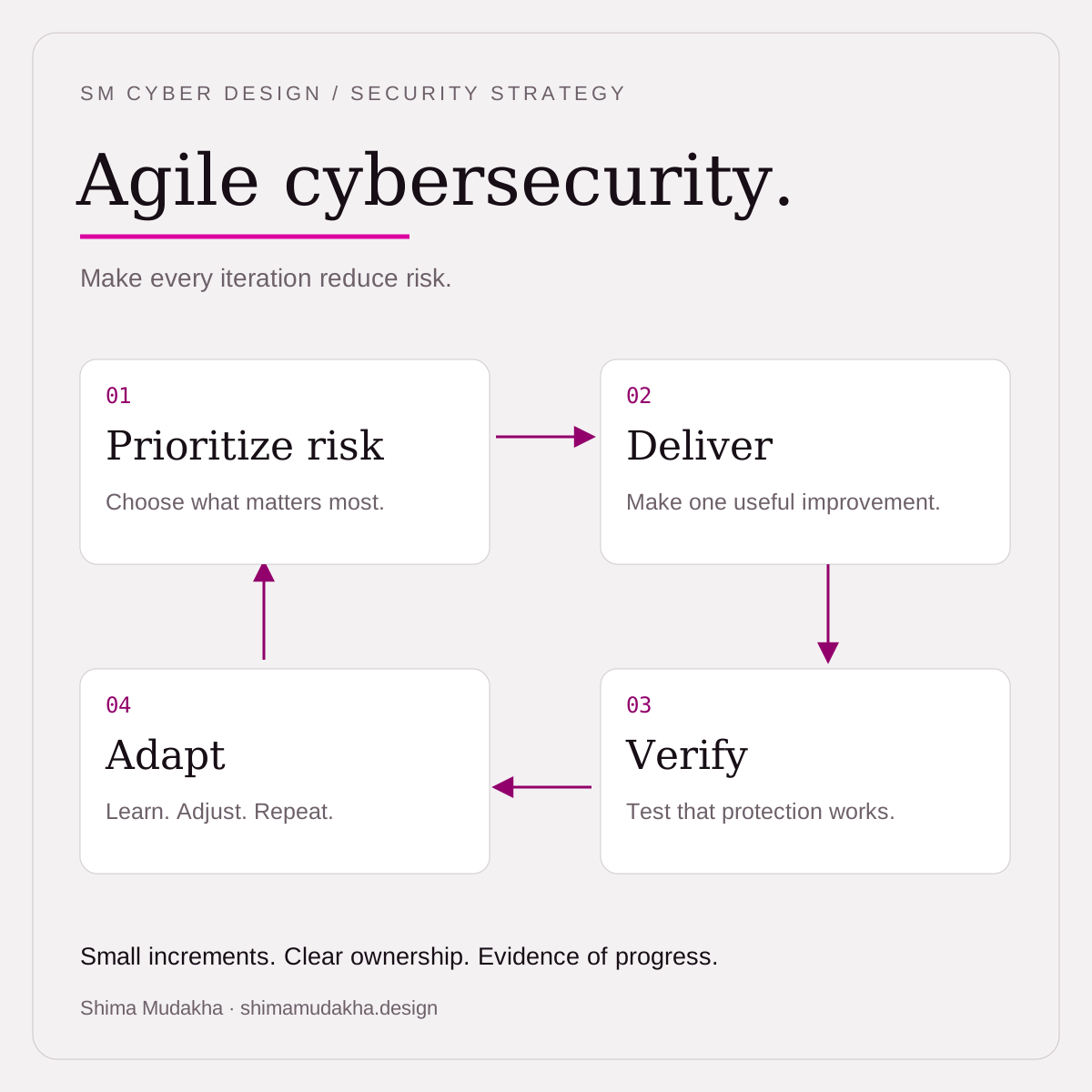
A practical approach to prioritizing risk, delivering security improvements, and learning through short feedback loops.
Read article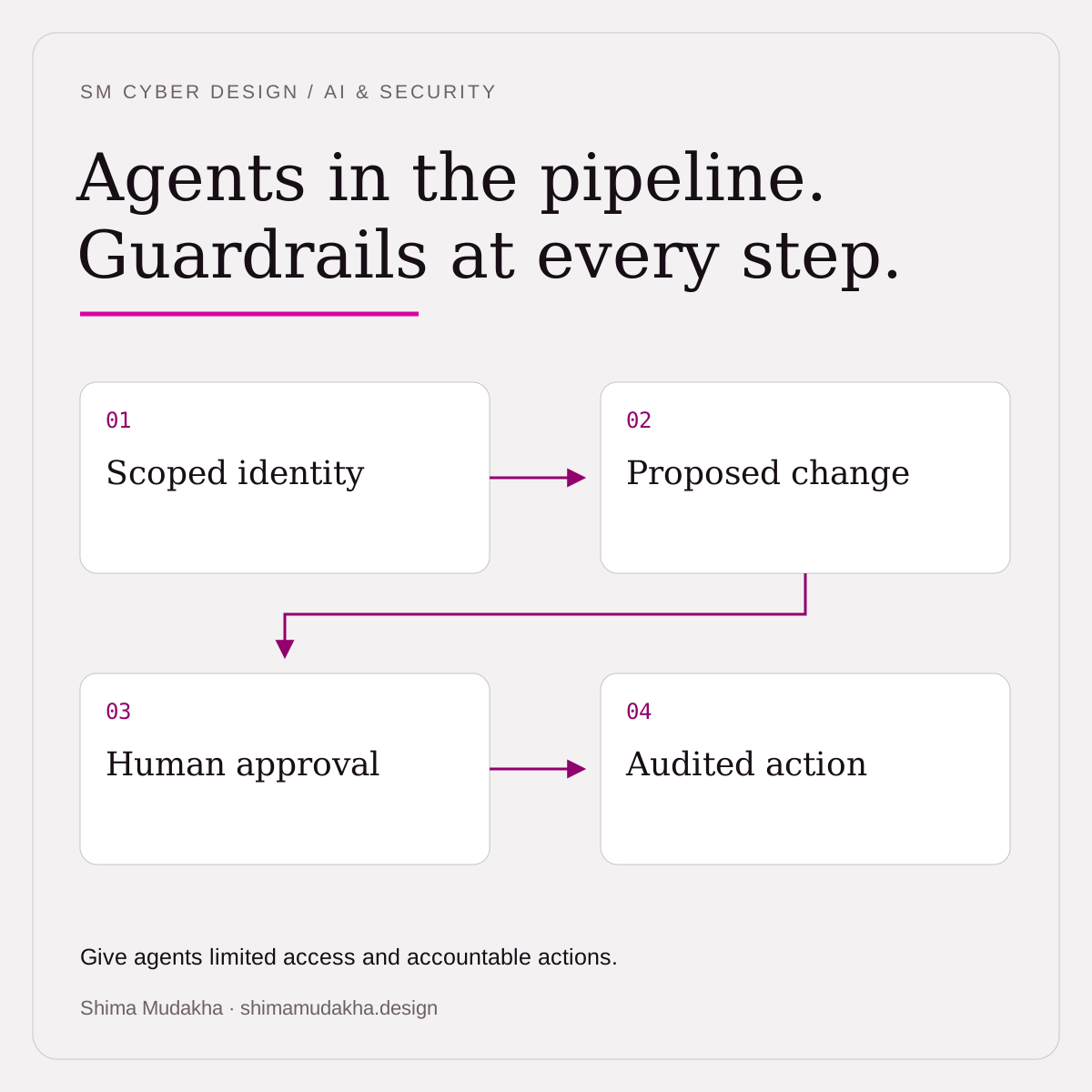
Autonomous agents are starting to write code, open pull requests, and touch infrastructure. Security has to keep up.
Read article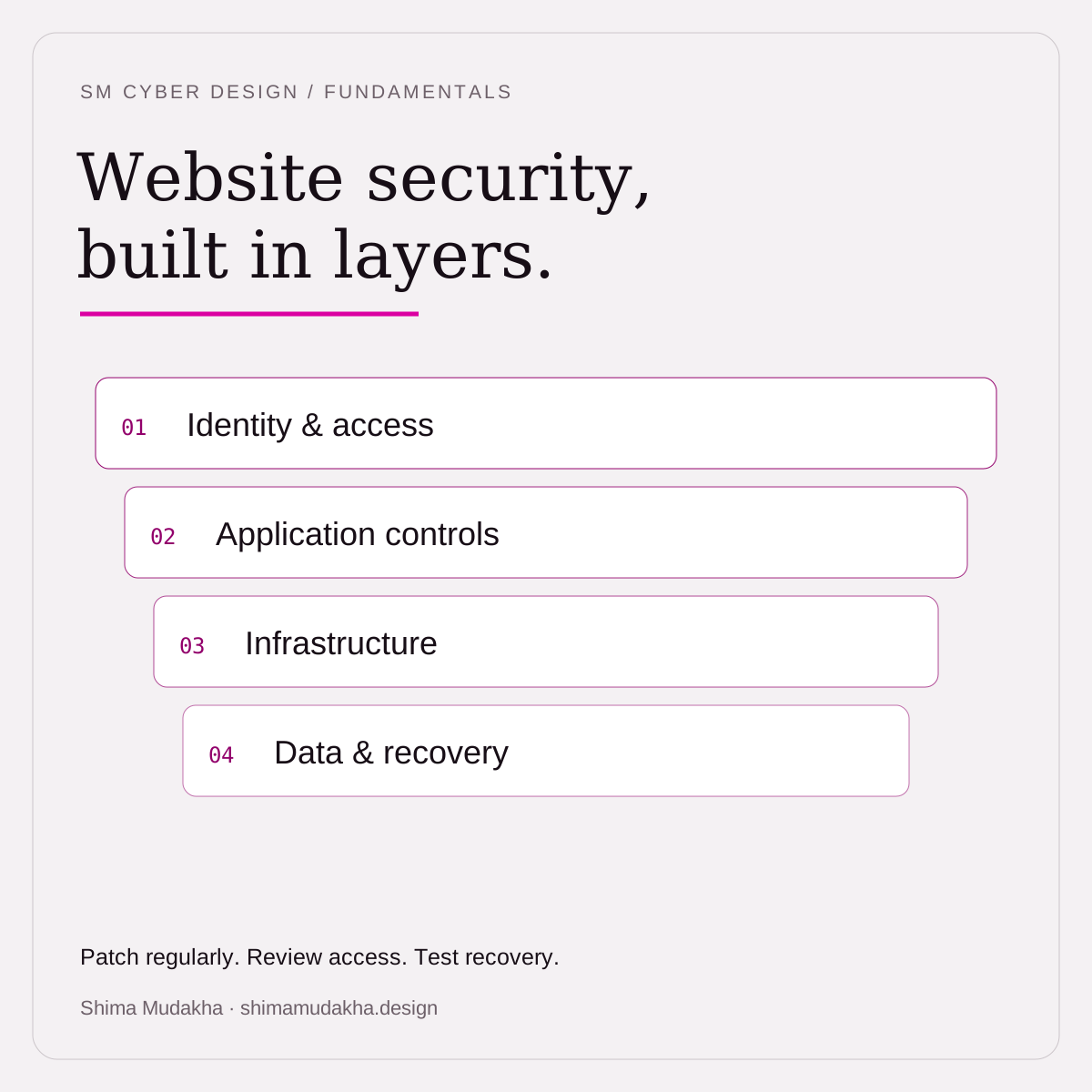
The practical fundamentals that keep a site safe — not the buzzwords, the habits that actually reduce risk.
Read articleThought Leadership
How visual transparency prevents security analysts from bypassing automated alert models — and why Explainable AI is a UX mandate, not just an engineering goal.
Why my UX background is my primary engine for building structural digital resilience — and how I came to understand that “human error” is always a design failure.
Why data displays are the first line of defense against advanced persistent threats, and how designing for high-stress comprehension directly reduces threat dwell time.
Get in Touch
Open to full-time cybersecurity analyst roles, UX/security hybrid positions, and contract engagements. Based in Atlanta, GA — available remotely nationwide.